Fragmented data
Satellite, drone, public, and field datasets exist in different formats.
Unified GIS Comparison
Compare river, watershed, land-cover, and pollution source layers in one map.



K-AQUAS integrates satellite imagery, drone data, water quality indicators, land cover, and pollution sources into one map workspace to identify risks and prioritize management areas.
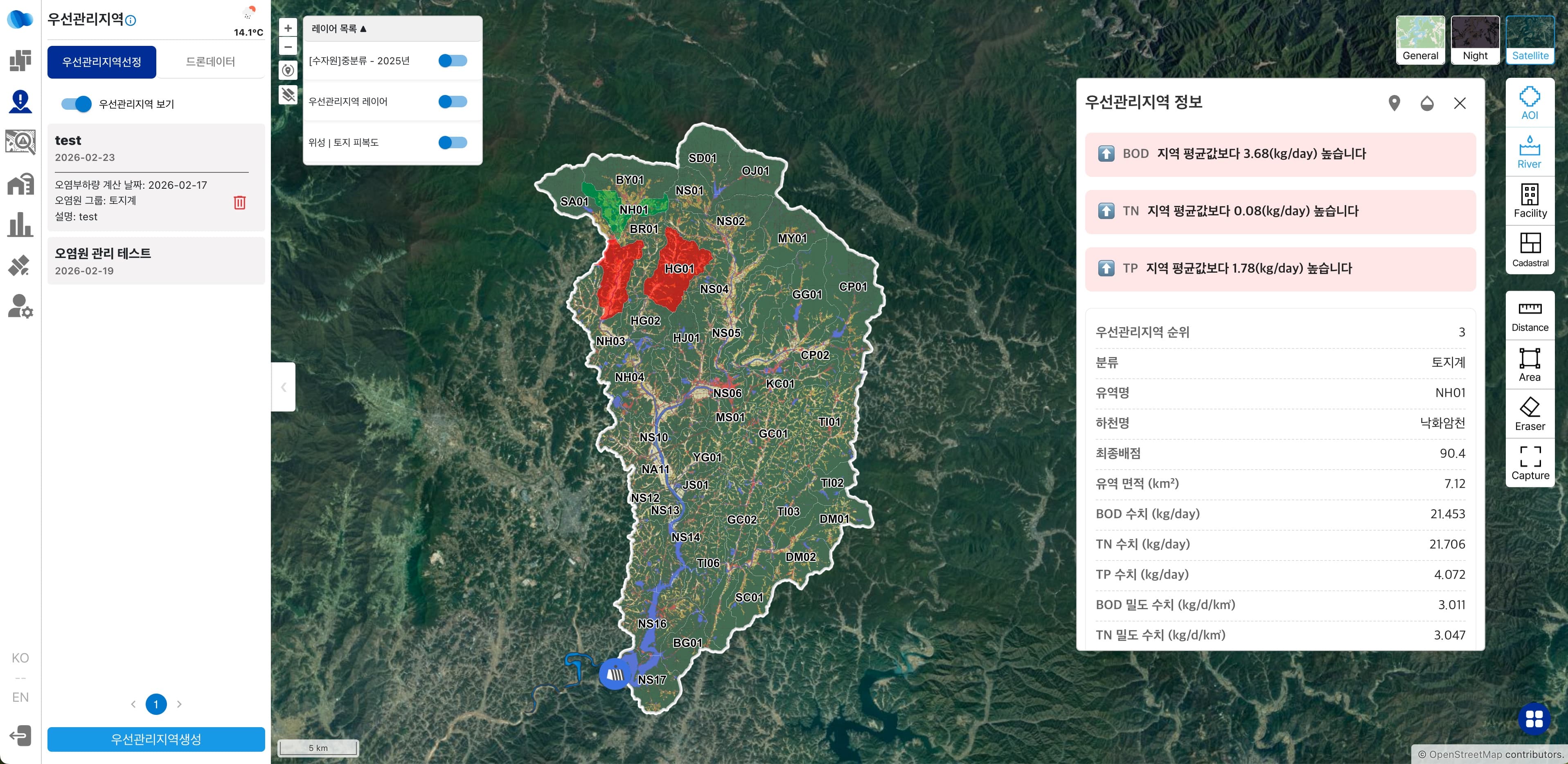
When field measurements, satellite imagery, drone captures, and pollution data are managed separately, teams lose time preparing data instead of making decisions.
Satellite, drone, public, and field datasets exist in different formats.
Compare river, watershed, land-cover, and pollution source layers in one map.
Teams spend time organizing files, checking locations, and comparing map layers.
Review wide-area watersheds and field details together to reduce repetitive checking and file preparation.
It is difficult to decide which areas require immediate management first.
Turn analysis results into inspection plans and management priorities.
K-AQUAS connects complex water environment datasets into a GIS-based workflow that helps managers understand the next action quickly.
Collect satellite, drone, public, and field datasets.
Organize watersheds, rivers, land cover, and pollution sources as map layers.
Analyze risks through land-cover classification and pollution source detection.
Use TOPSIS-based evaluation to identify priority areas and next actions.
The workflow above shows the decision path. The modules below explain the specific analytical functions K-AQUAS performs inside that flow.

Classify land-use conditions from satellite imagery and monitor pollution-related land change.
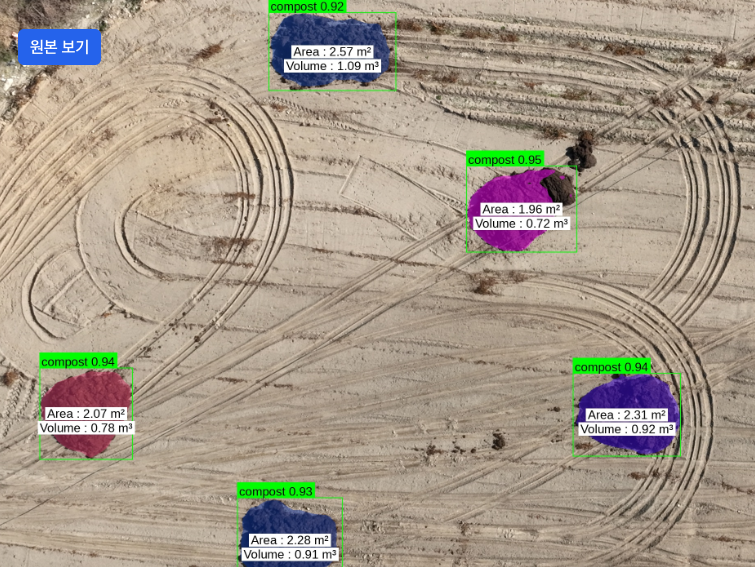
Review detected objects together with location, area, and volume information from drone capture results.
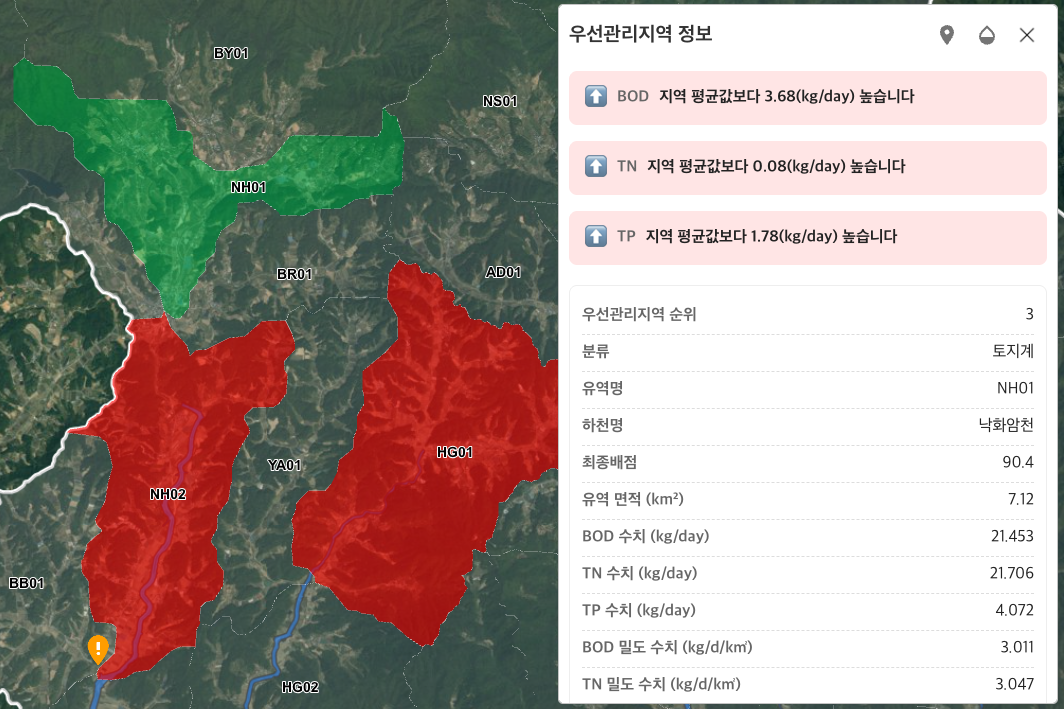
Review candidate priority zones together with detailed indicators to support ranking decisions.
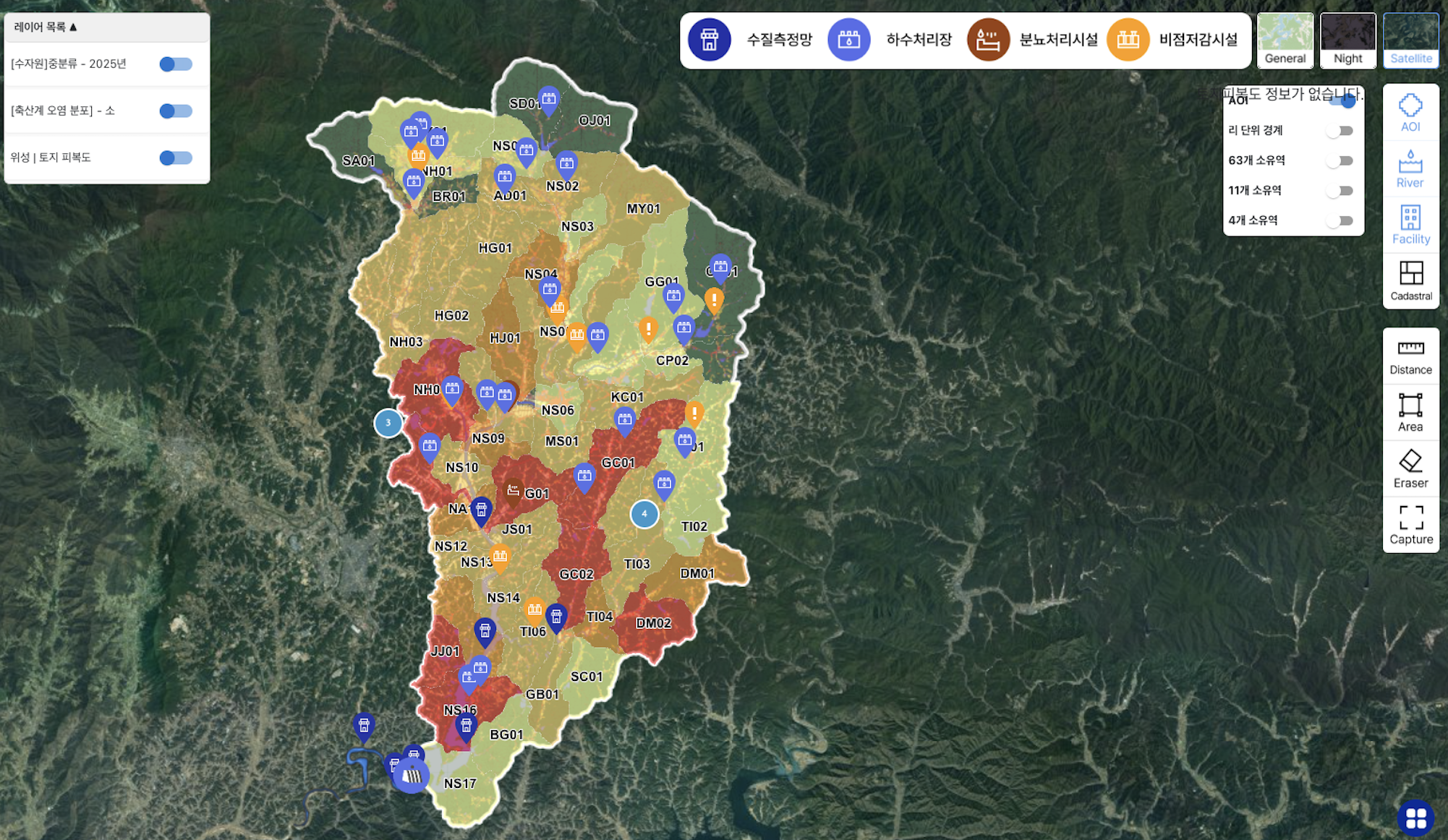
Compare land cover, facilities, pollution signals, and operational layers in one GIS workspace.
This section shows the kinds of teams and operational work K-AQUAS is best suited for beyond the platform features themselves.
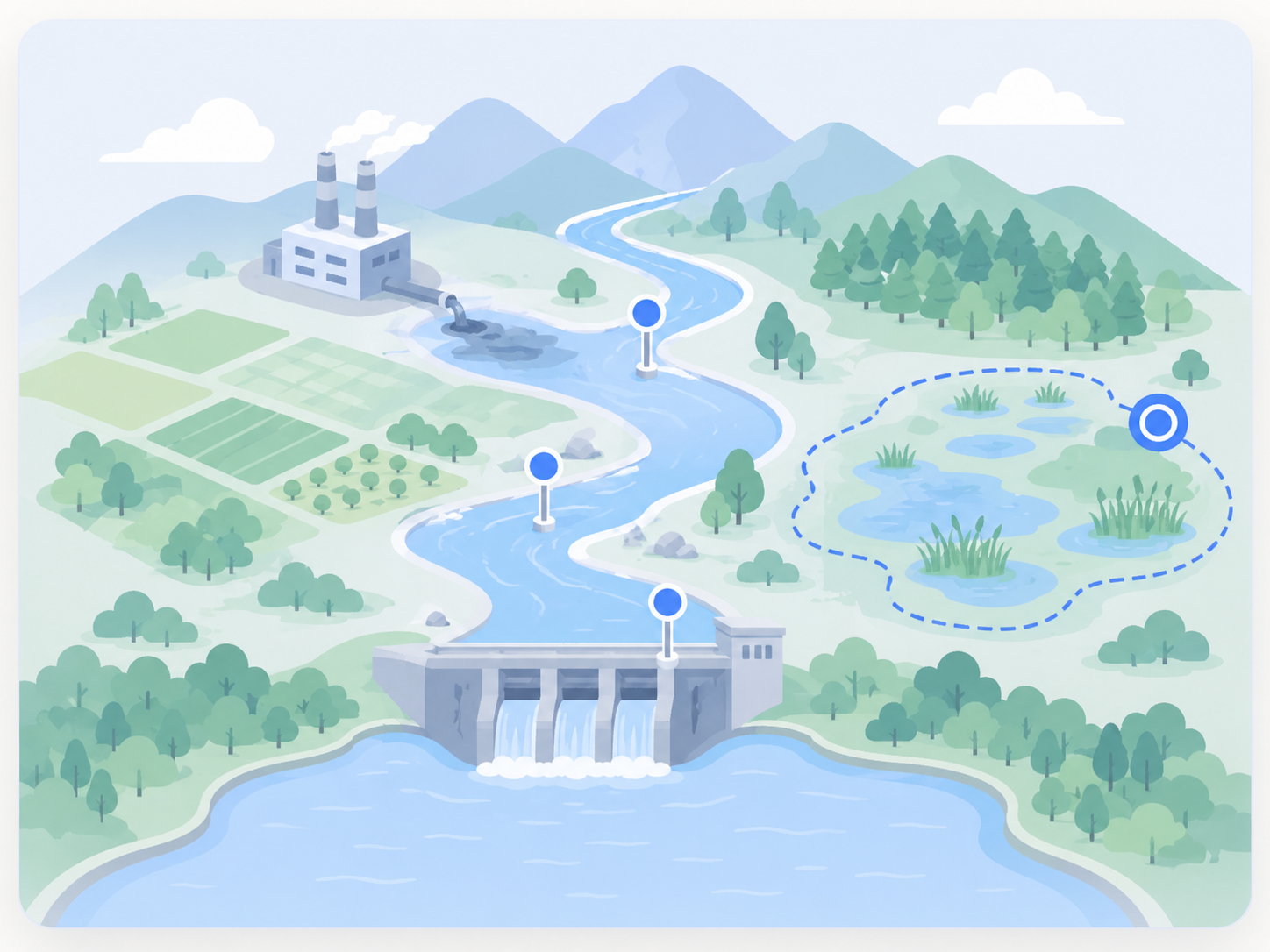
Review land cover, pollution sources, and priority areas together to organize which upstream zones need attention first.
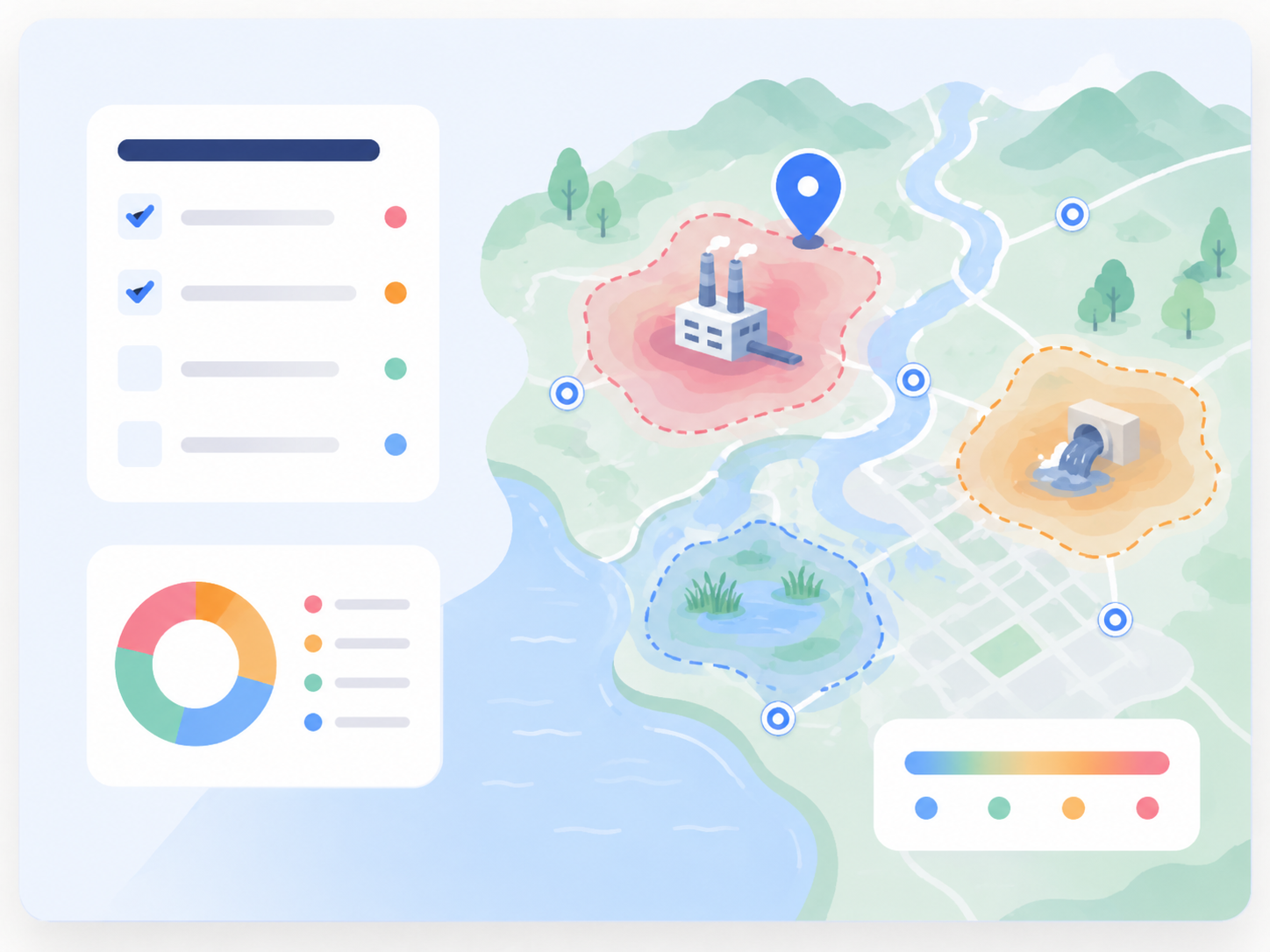
Compare high-risk zones and field inspection targets on a GIS map before sending teams into the field.
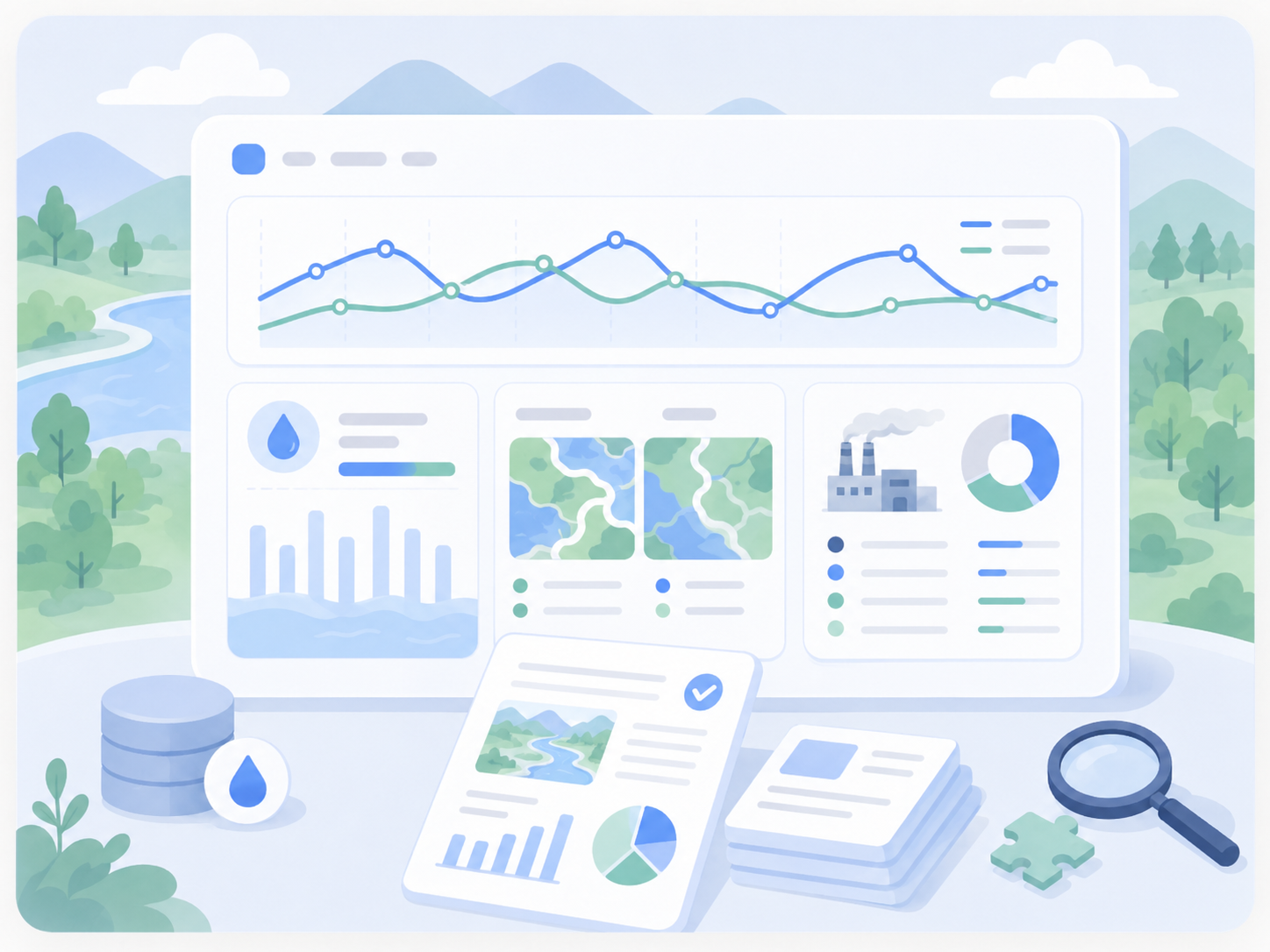
Bring water-quality, land-cover, and pollution data into one workspace to support analysis and reporting workflows.
Use the demo to review the data layers, pollution analysis, and priority management workflow.